













What Dental Veneers Are: E-max & Porcelain Laminate Veneers
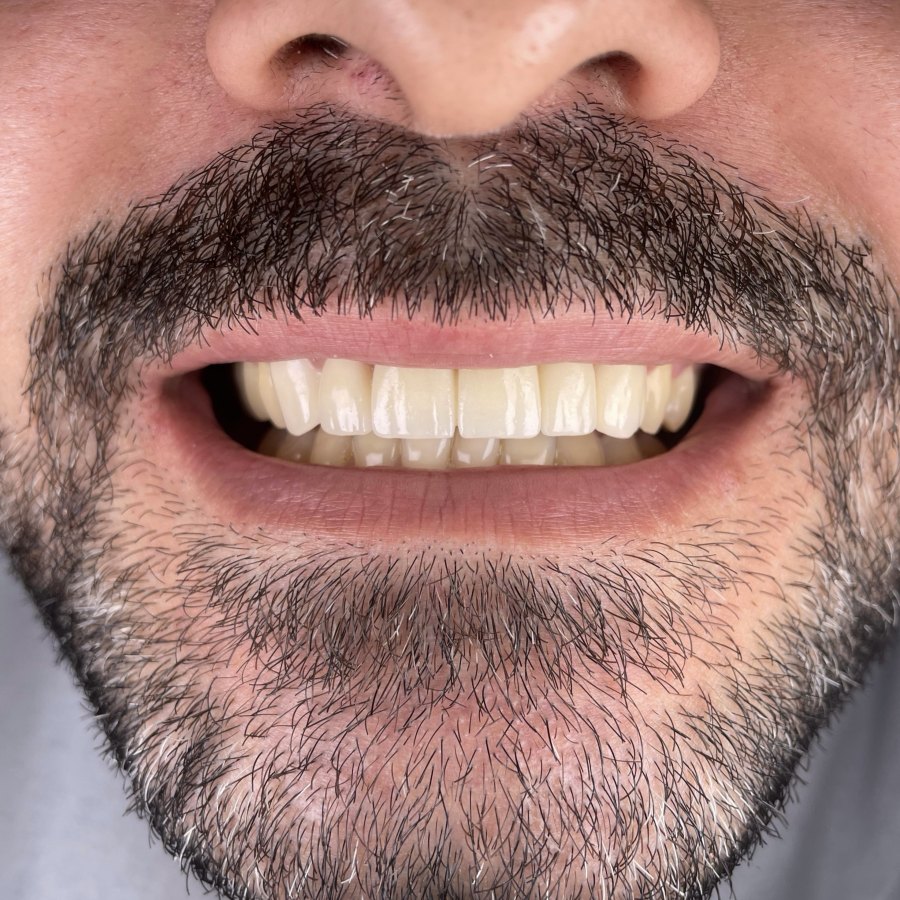
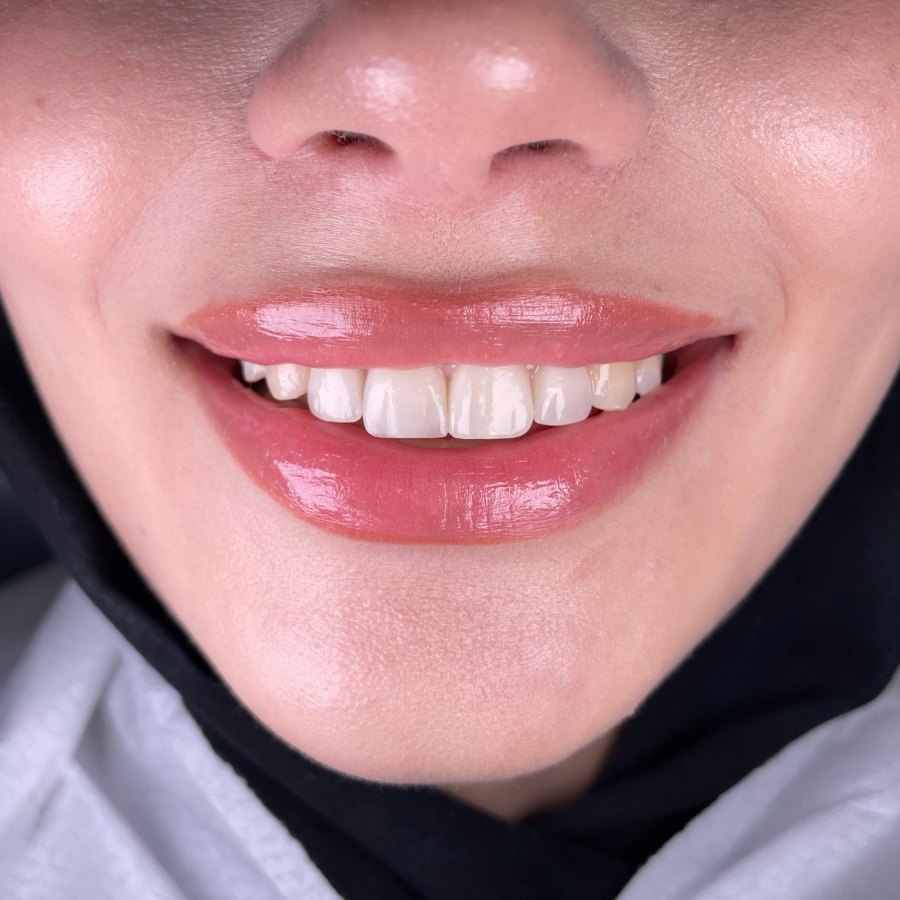
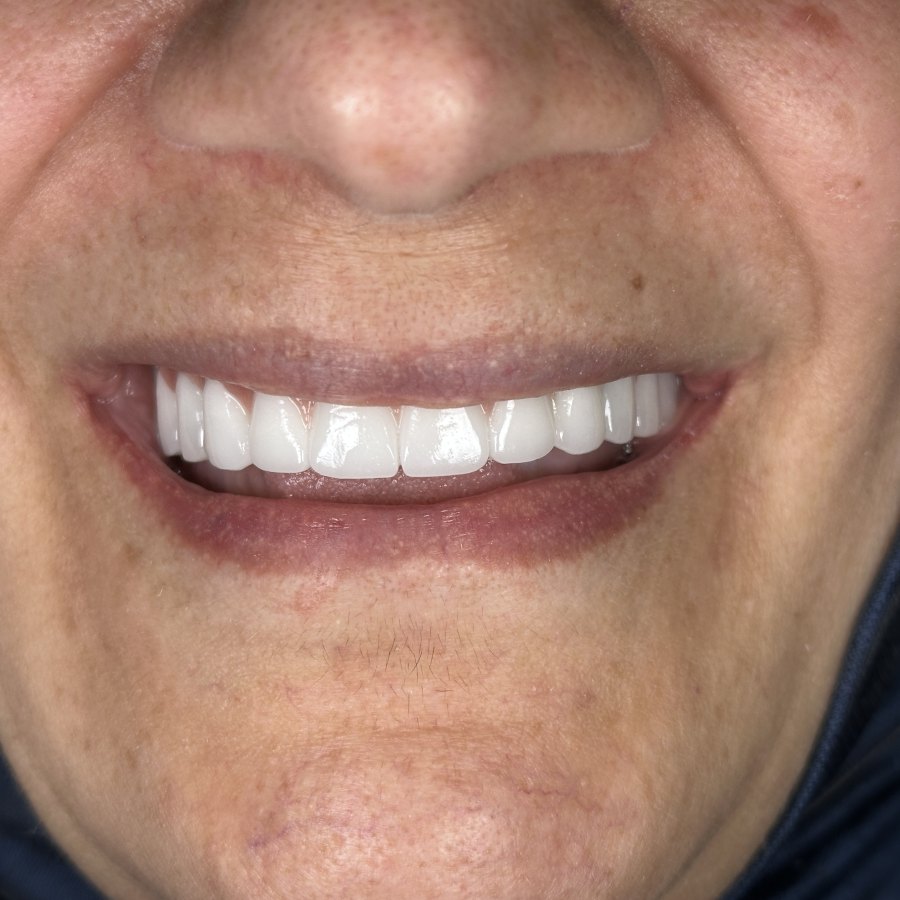
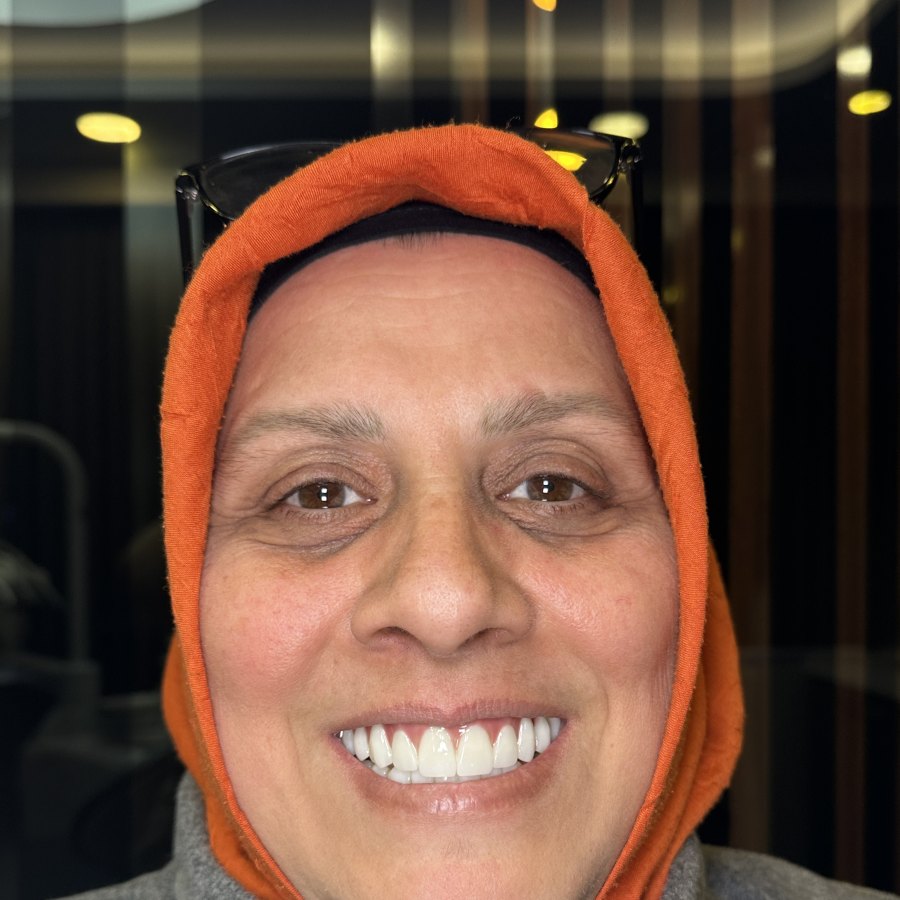
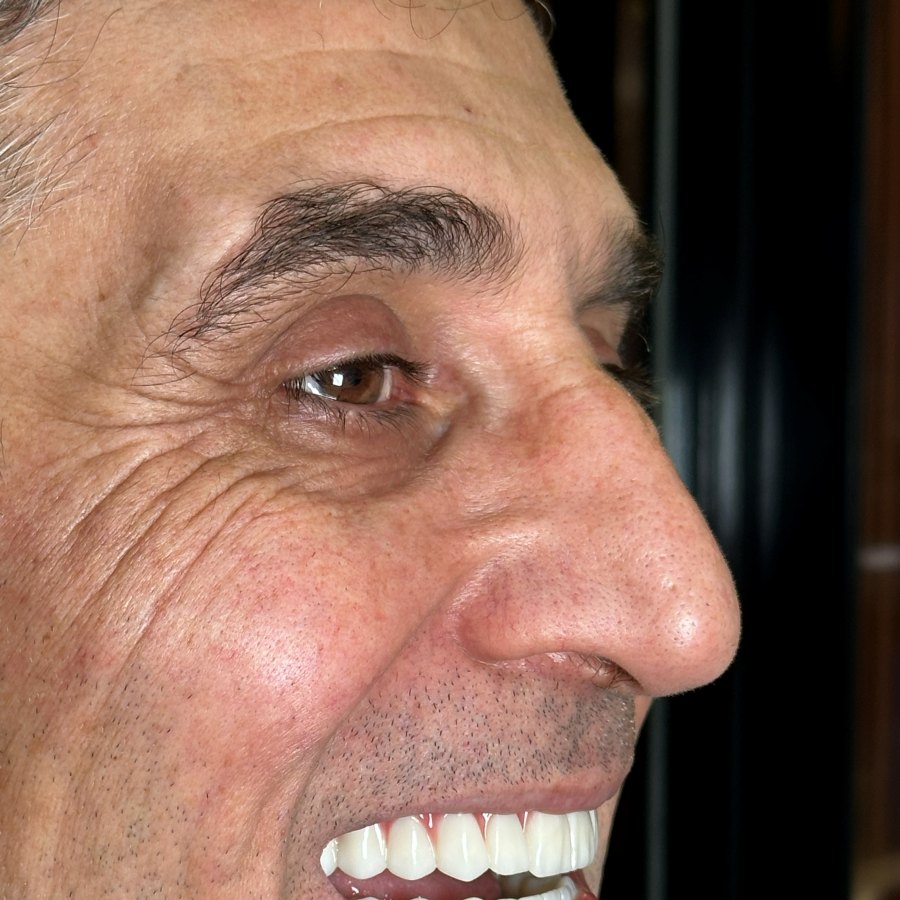
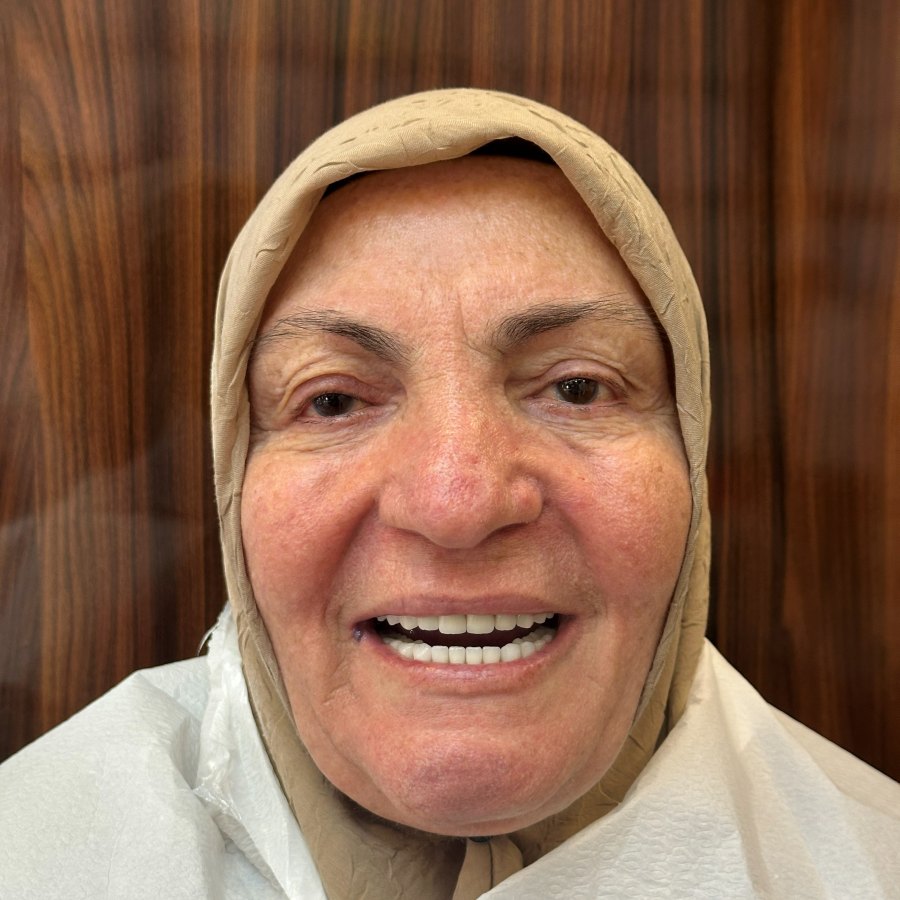
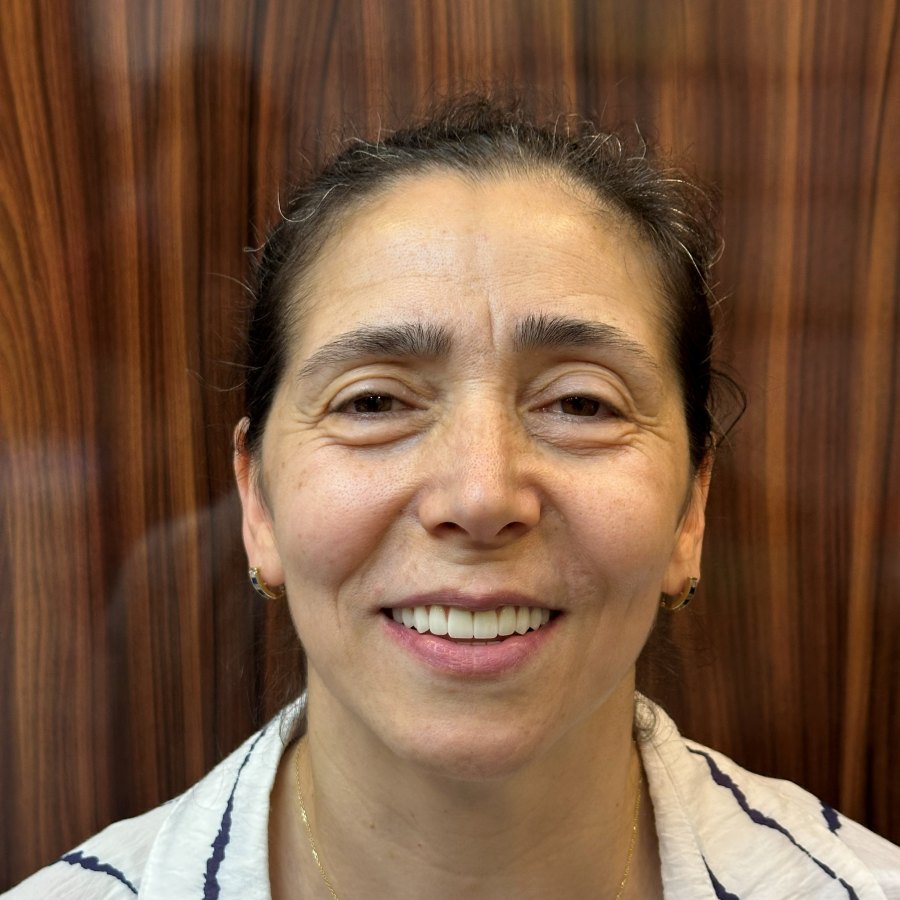
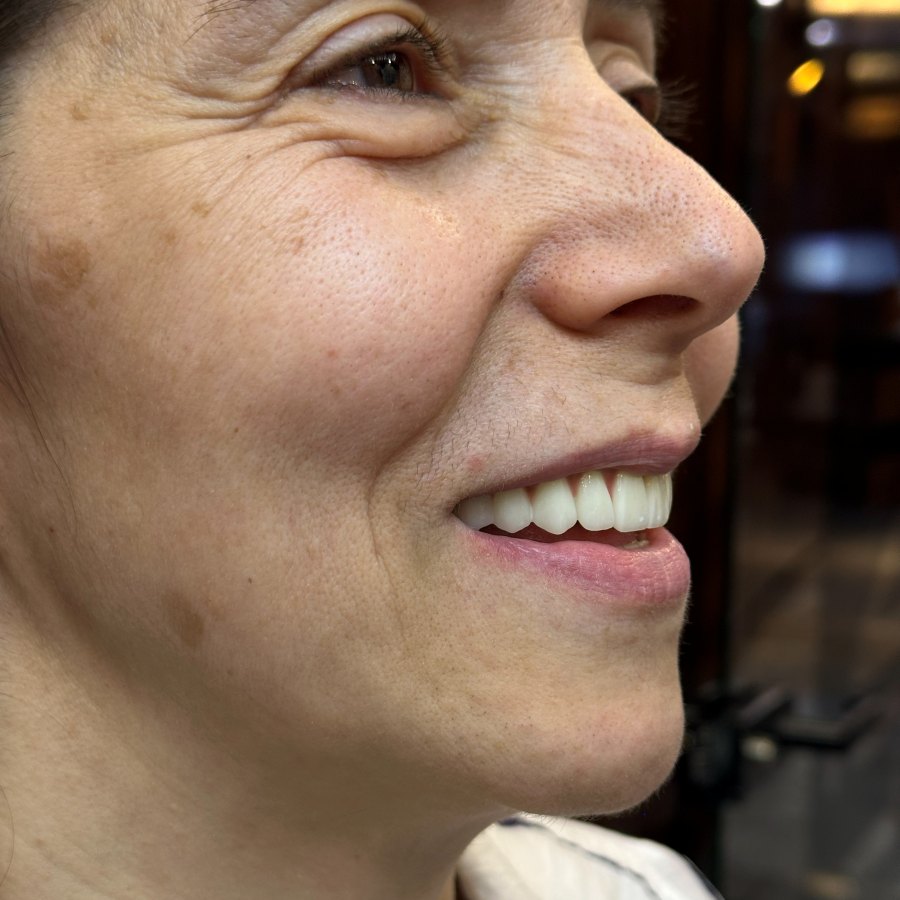
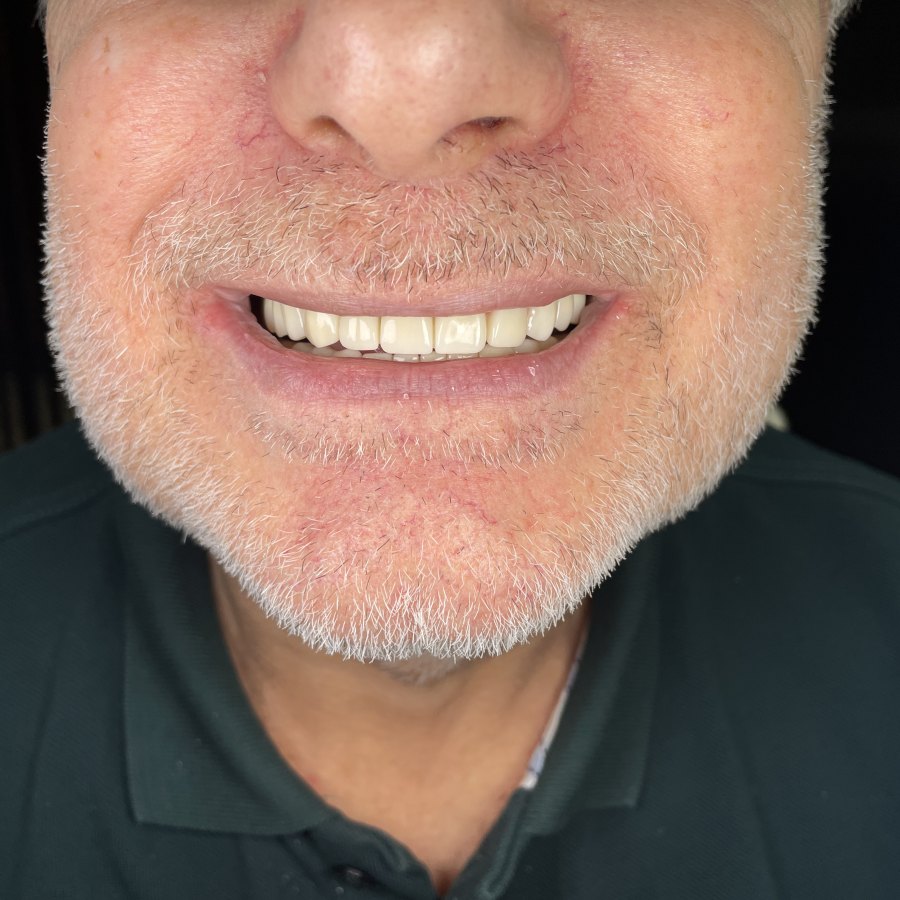
<p>A dental veneer is a thin, custom-made shell that covers only the visible front surface of a tooth. Unlike a crown, which encases the entire tooth, a veneer is designed to be conservative, so the underlying natural tooth structure is largely preserved. Laminate veneers in Turkey are typically made from two material families: feldspathic or pressed porcelain, and lithium disilicate, better known by the brand name E-max. Both are tooth-coloured ceramics chosen for their light-reflecting properties and durability.</p><p>E-max veneers are popular because the material is strong yet can be made very thin, which means minimal preparation in suitable cases. Porcelain veneers in Turkey offer excellent translucency and can be layered to mimic the depth and character of natural enamel. The right material depends on your bite, the condition of your teeth and the aesthetic result you want. At our İstanbul clinic, the choice is made after clinical examination and digital planning rather than as a one-size-fits-all package.</p>
Veneers vs Crowns vs Composite Bonding: Clear Differences
<p>These three treatments are often confused, but they are not interchangeable. Veneers are thin ceramic shells bonded to the front of a tooth, ideal for closing small gaps, correcting shade, reshaping teeth and improving mild alignment issues on the smile-line teeth. Because they cover only the front face, tooth preparation is minimal, and in some cases almost none. Veneers are primarily a cosmetic solution for structurally healthy front teeth.</p><p>Crowns, by contrast, cover the whole tooth and are used when a tooth is heavily decayed, root-treated, cracked or significantly weakened. A zirconia crown removes more tooth structure than a veneer but provides full coverage and strength, which is why crowns are restorative as well as aesthetic. Composite bonding uses tooth-coloured resin applied directly in the mouth; it is more affordable and reversible, but generally less durable and stain-resistant than ceramic veneers. An honest clinic will recommend the least invasive option that achieves your goal, and we will tell you when a crown or bonding is the better choice rather than veneers.</p>
Why International Patients Choose Turkey & İstanbul for Veneers
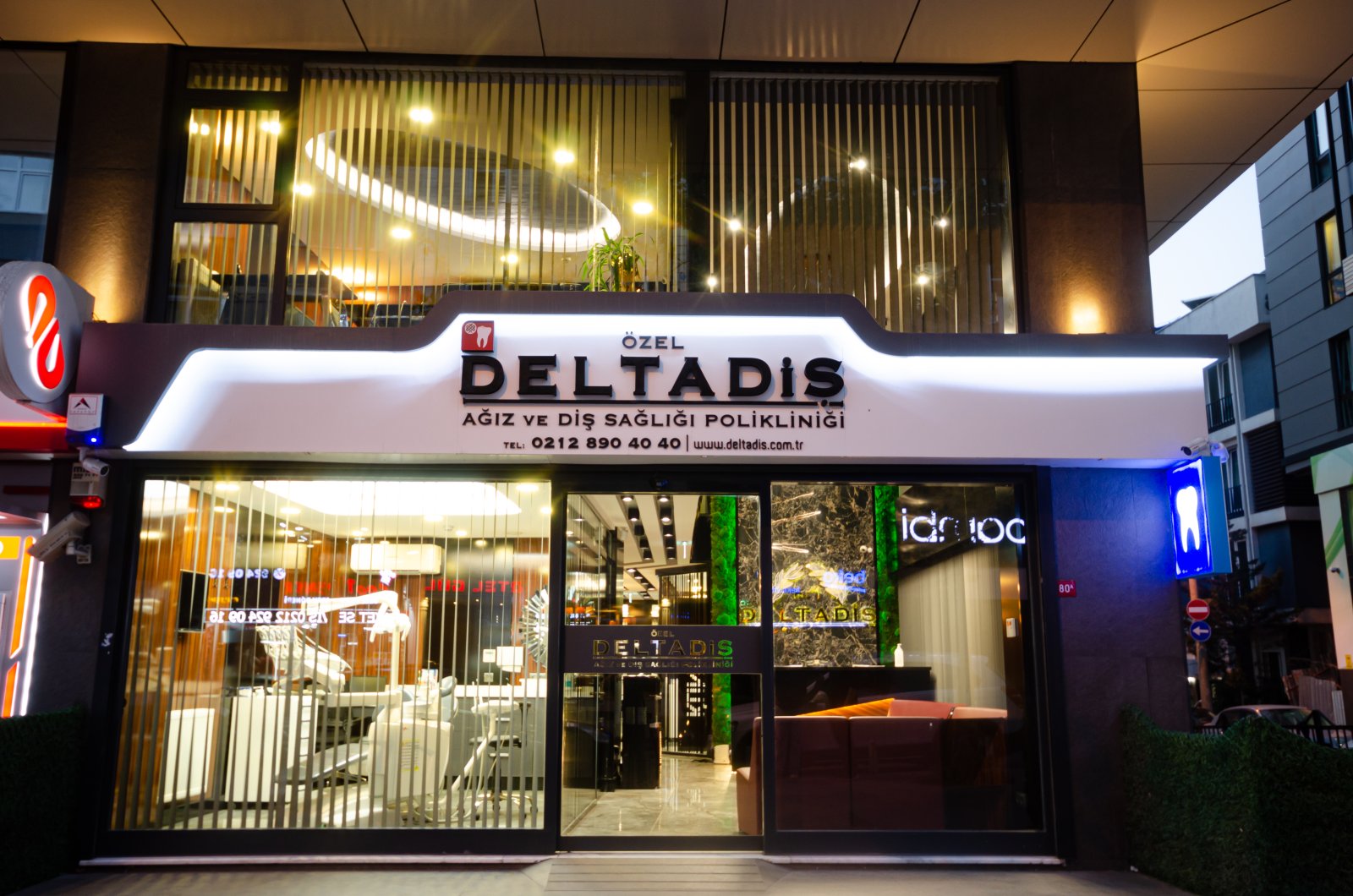
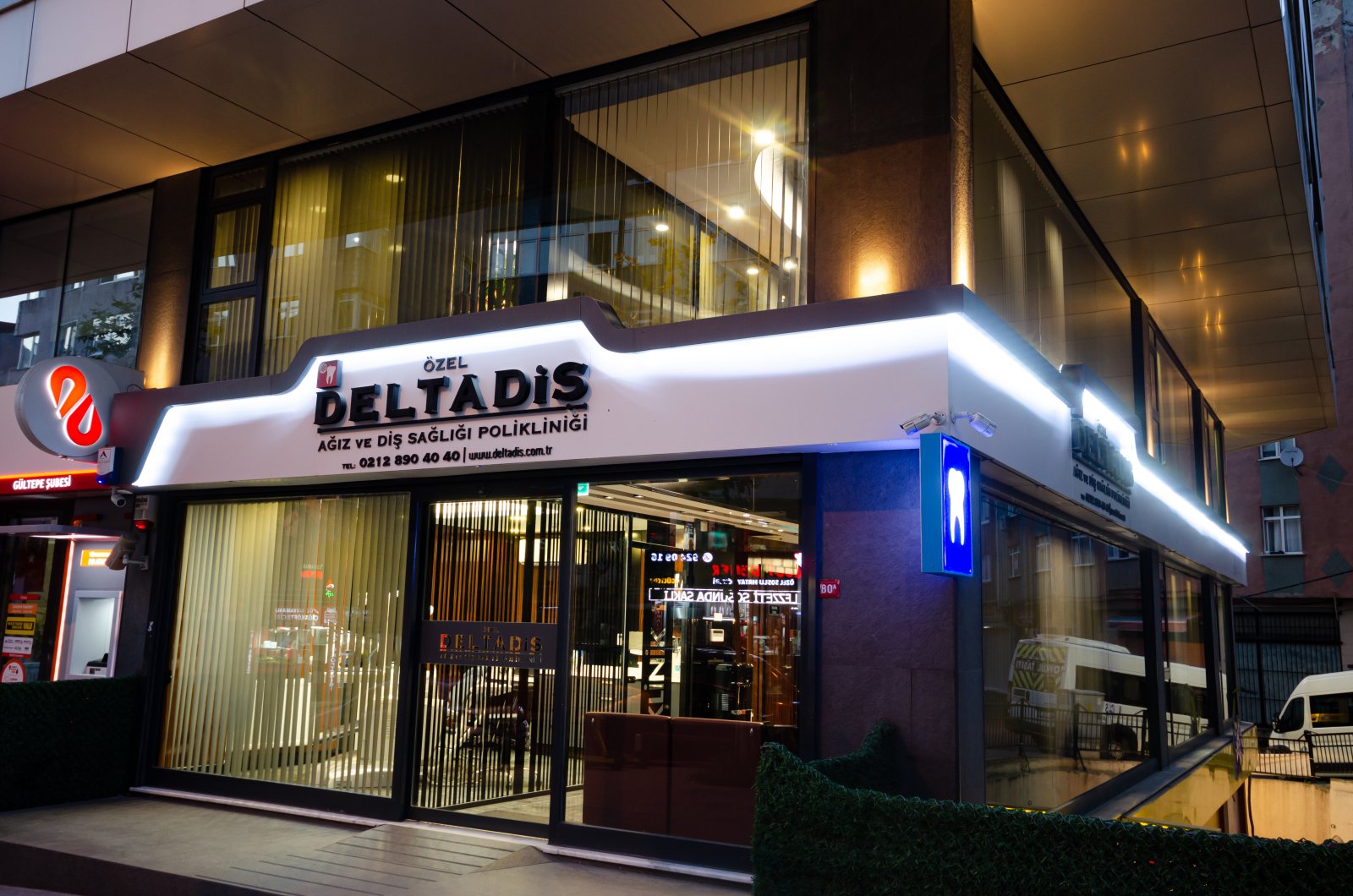
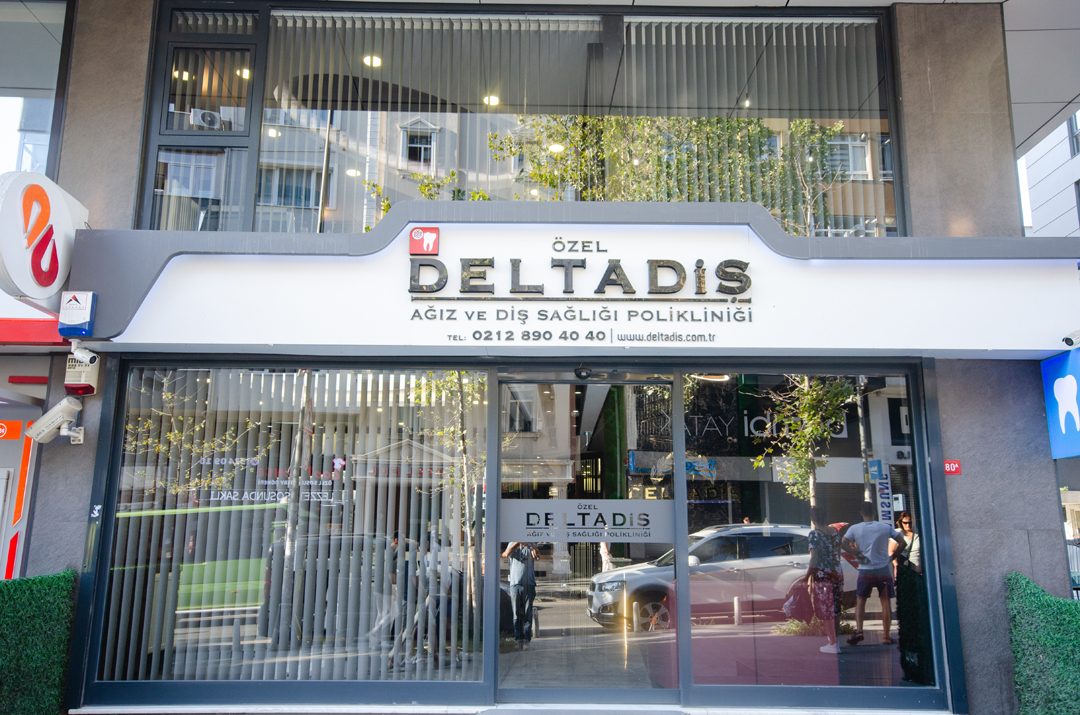
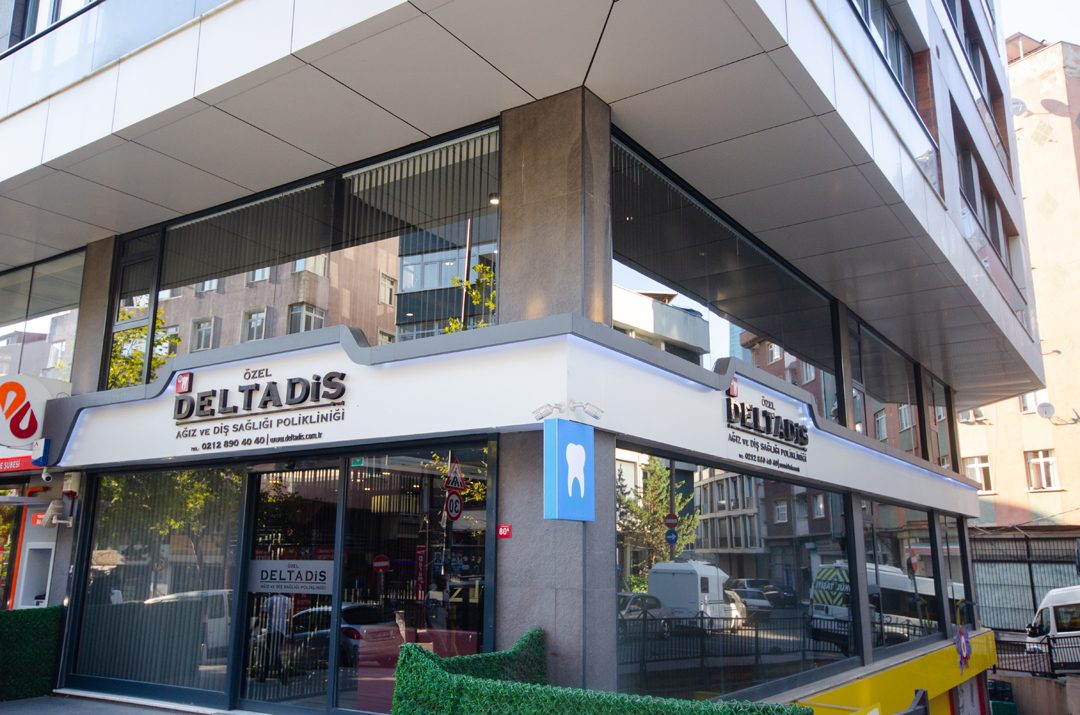
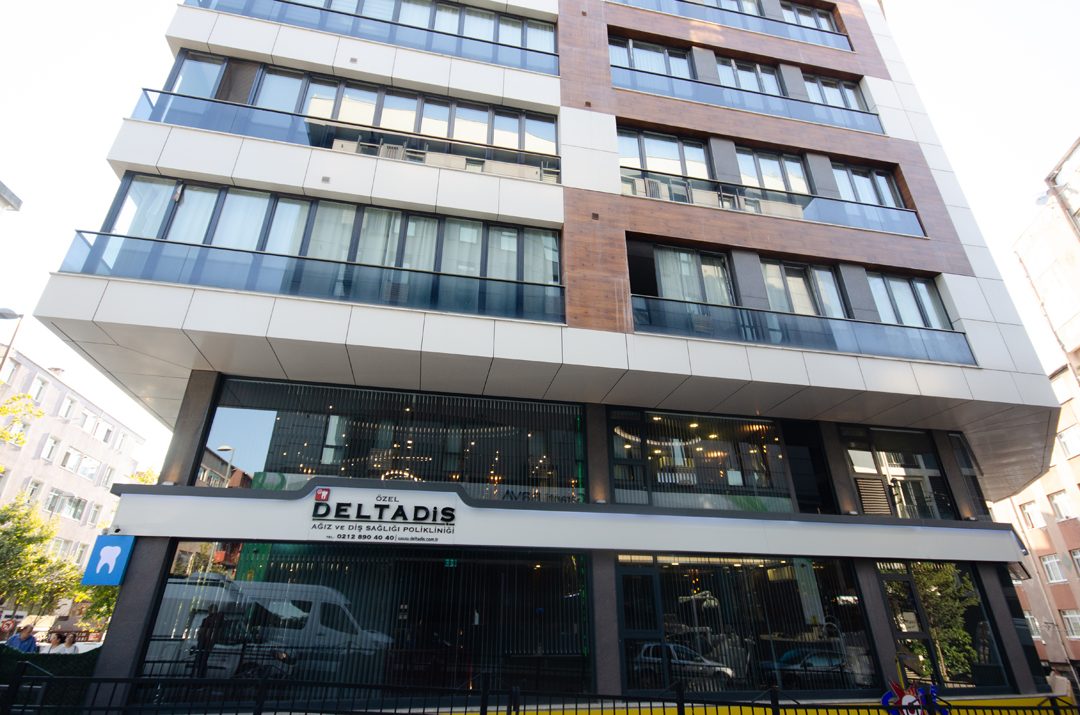
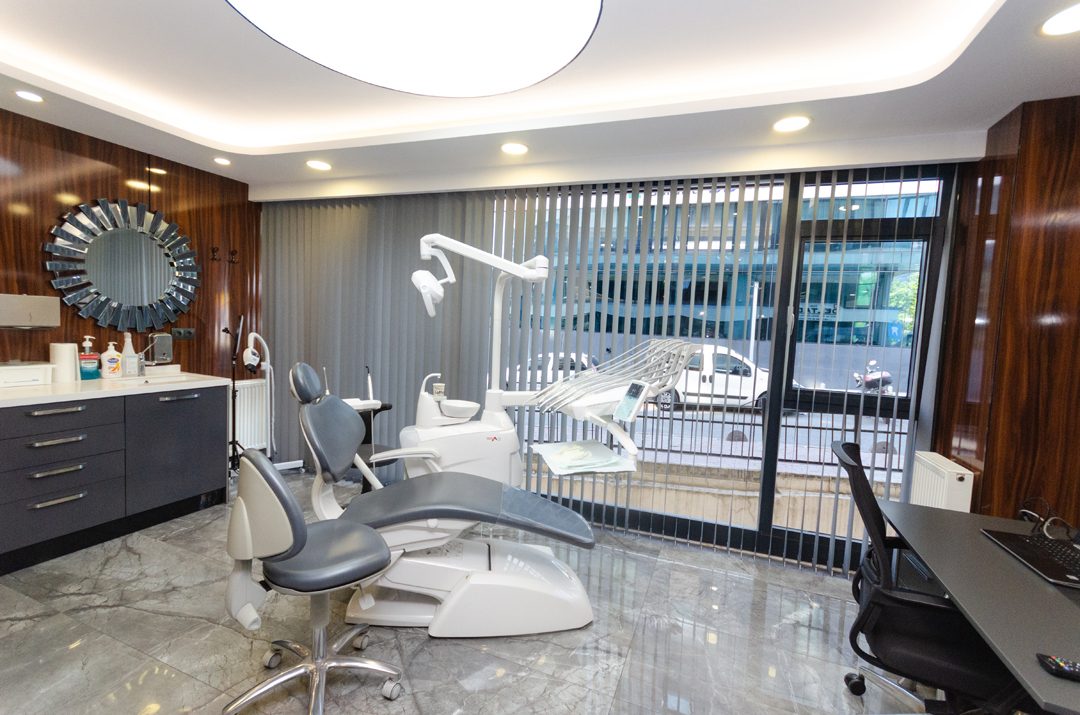
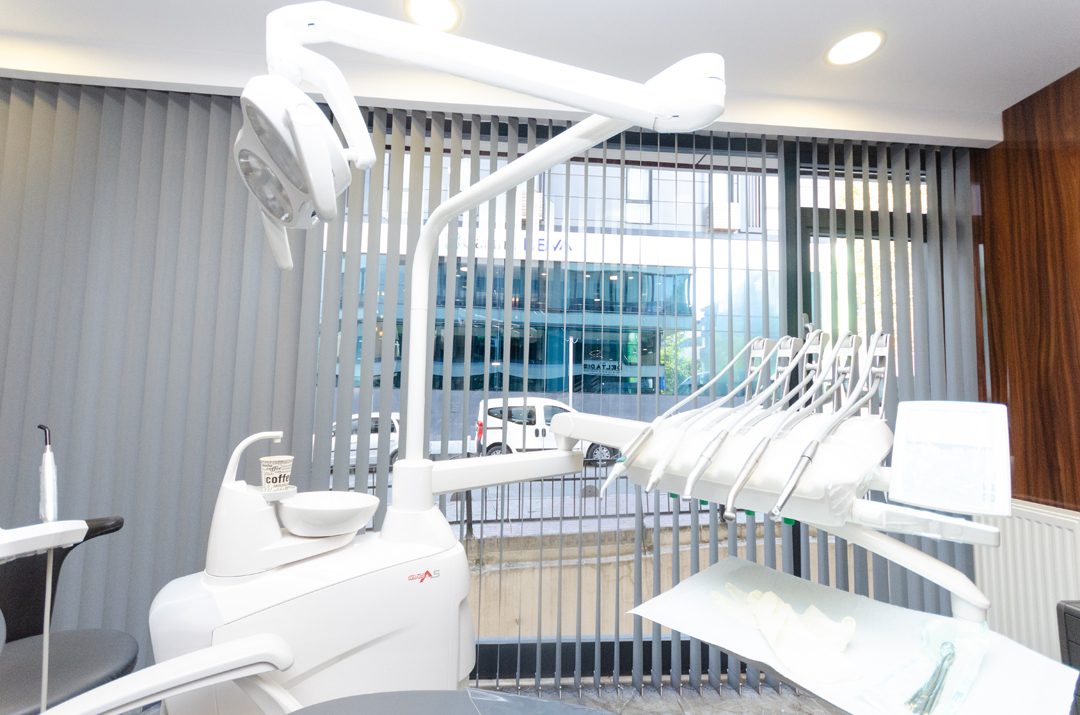
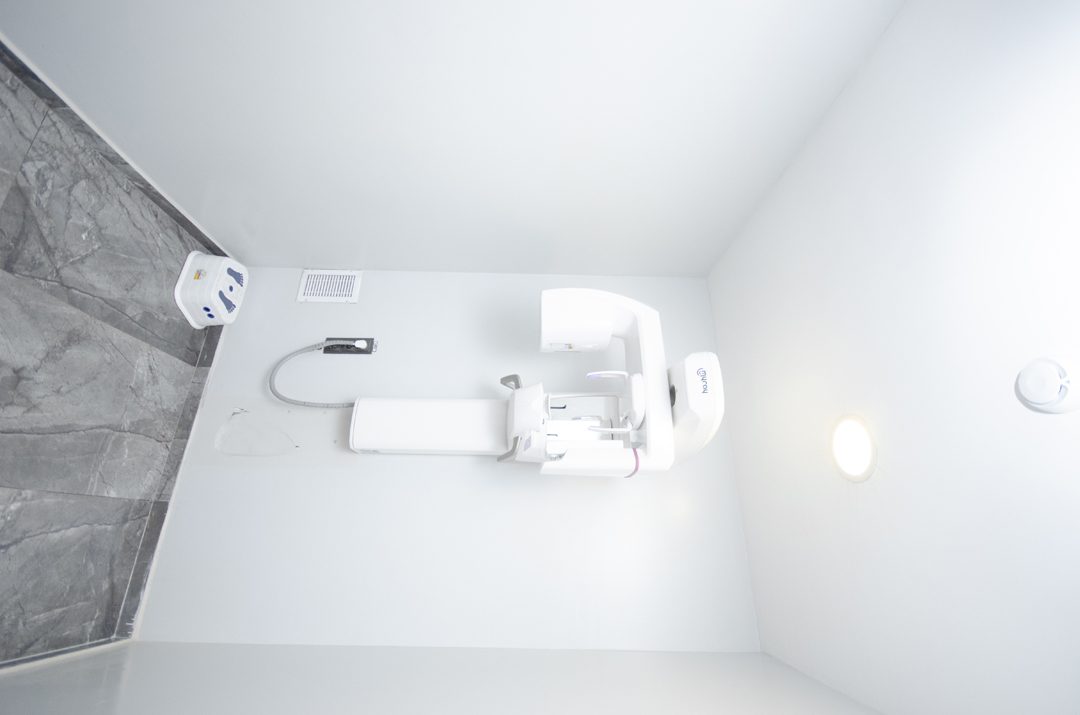
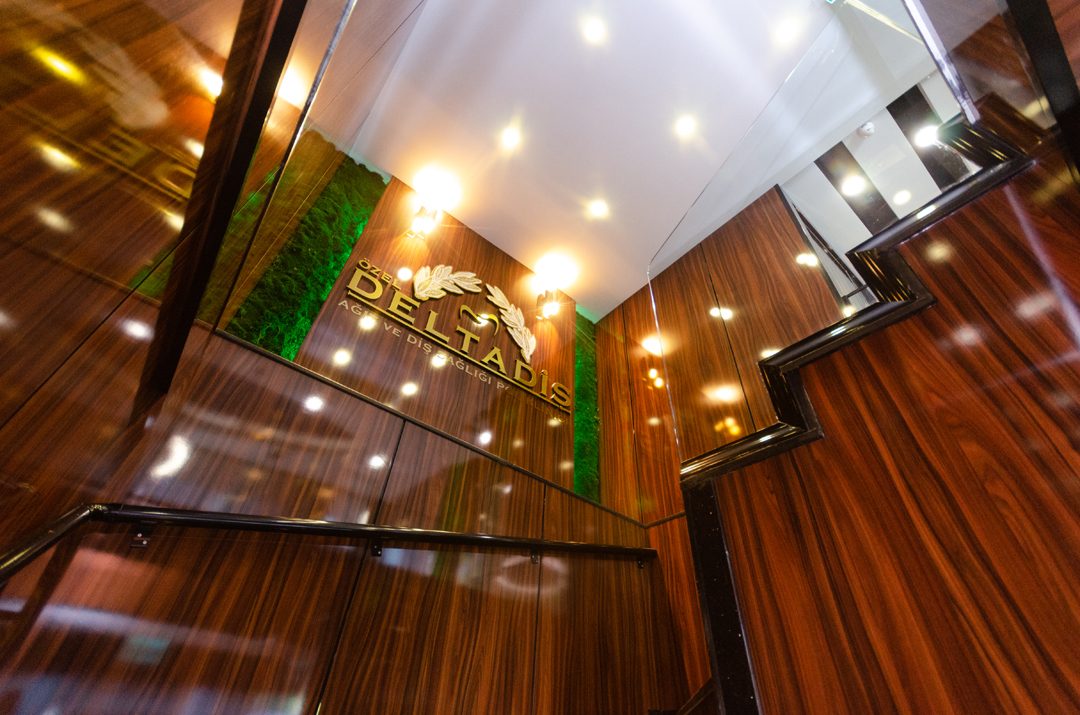
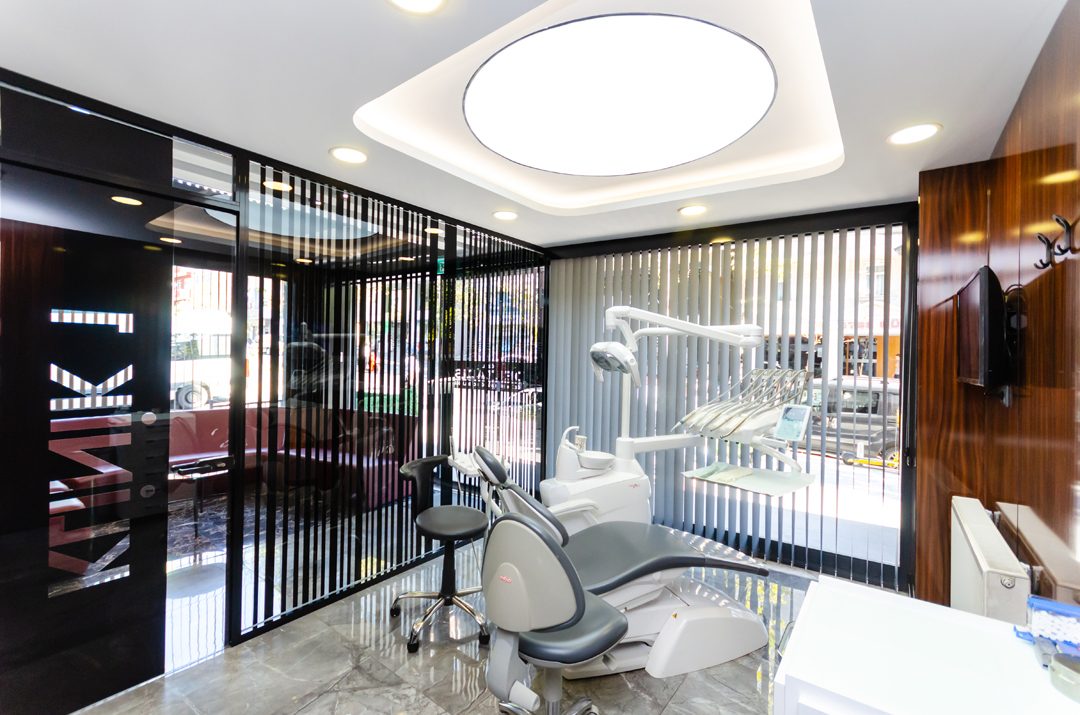
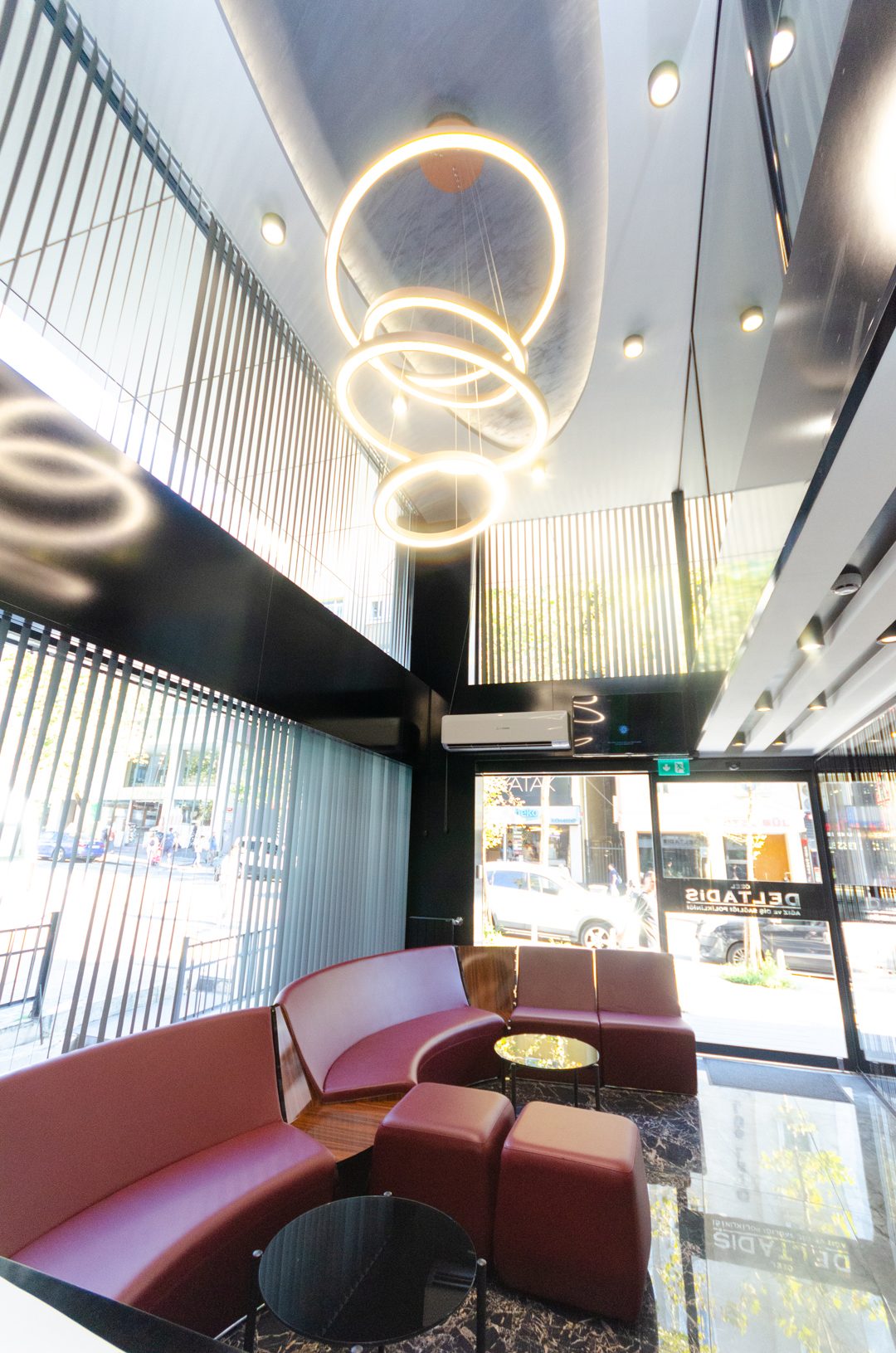
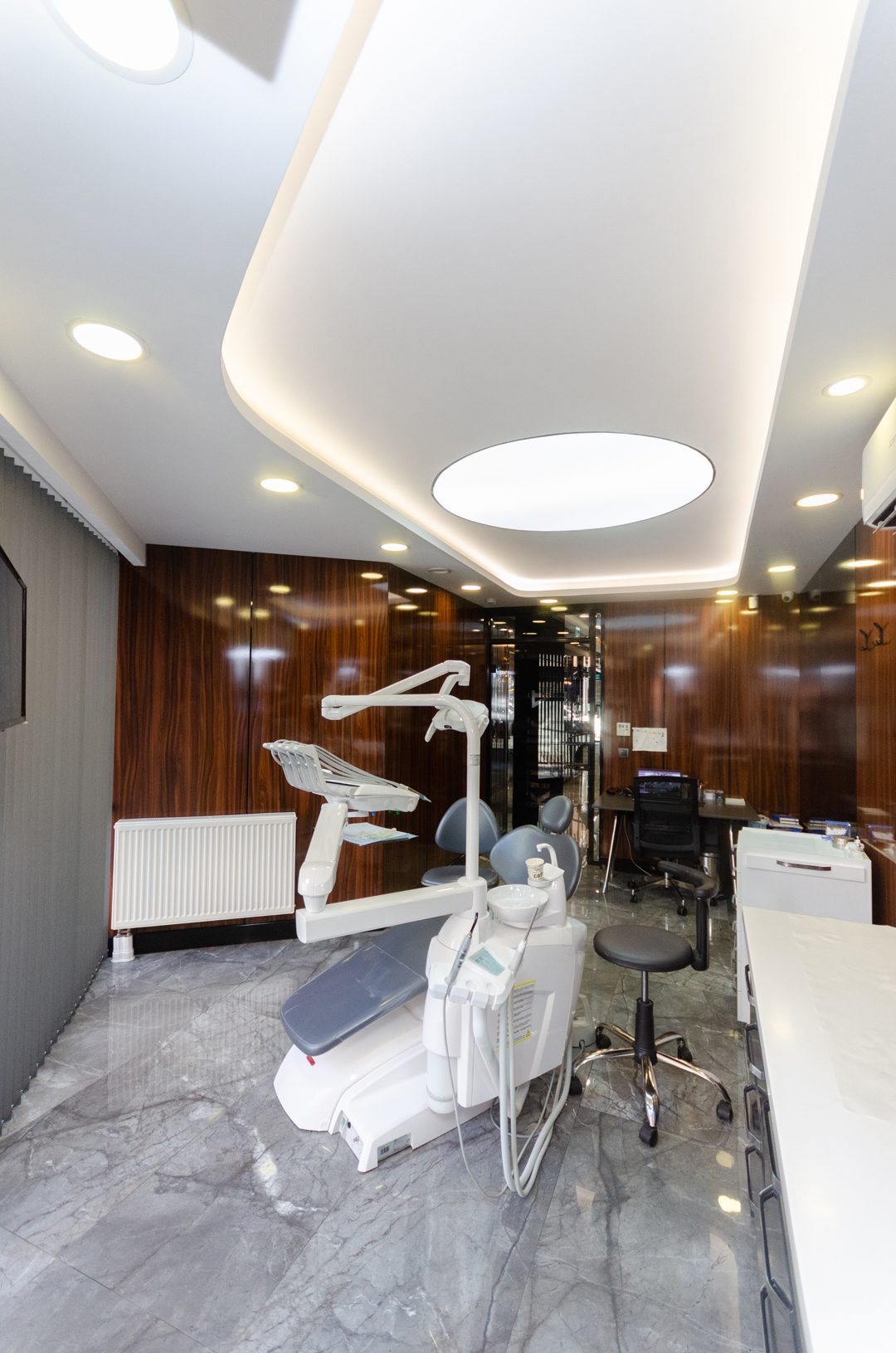
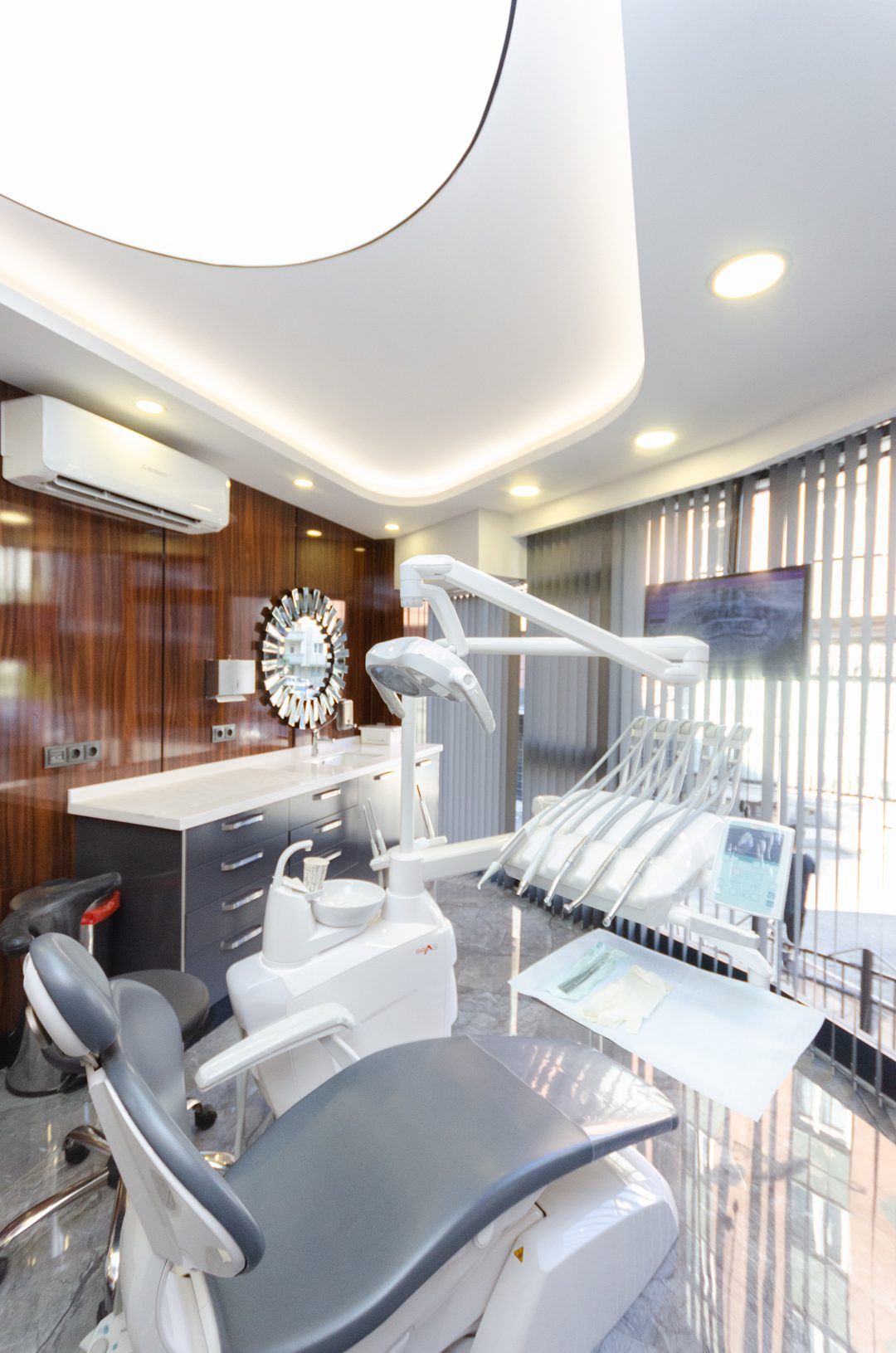
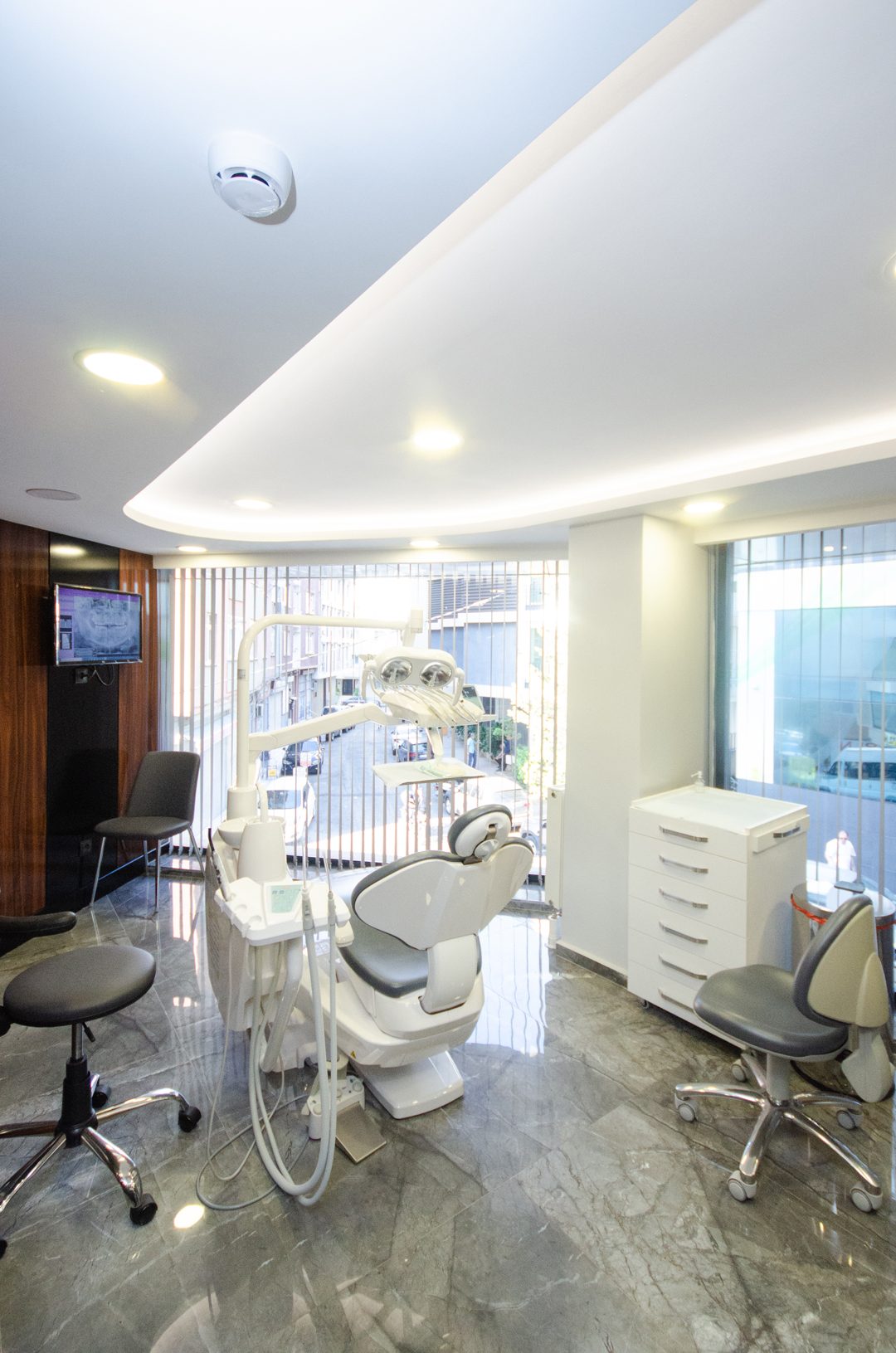
<p>Turkey, and İstanbul in particular, has built a strong reputation in cosmetic dentistry. The combination of experienced clinicians, modern dental laboratories, advanced digital workflows and favourable pricing means international patients can often achieve high-quality results at a fraction of the cost they would pay in Western Europe, the UK or North America. İstanbul's connectivity, with two major international airports, also makes it straightforward to reach for a short treatment trip.</p><p>That said, choosing a destination should never be based on price alone. The most important factors are the clinic's experience, hygiene standards, transparent planning and aftercare. Our clinic in Kağıthane has welcomed patients from 37 countries, with a multilingual team who can guide you in your own language, 7 dentists with more than 15 years of experience and 5 separate clinical areas. We focus on realistic smile design rather than overly white, uniform results, because veneers should look like healthy natural teeth, not artificial ones.</p>
The Veneer Treatment Journey & Timeline in İstanbul
<p>A typical veneer journey begins before you travel. After you share photos and any concerns, we plan an initial consultation and examination on arrival. We assess your gums, bite and existing teeth, take digital scans or impressions, and discuss the shade, shape and number of teeth involved. Many patients value a mock-up at this stage, a preview of the proposed smile, whether digitally or as a trial design, so expectations are agreed before any irreversible work begins.</p><p>The next stage is minimal tooth preparation where needed, followed by precise impressions sent to the laboratory, where your E-max or porcelain veneers are individually crafted. Temporary veneers may be placed while the final ones are made. At the fitting visit, we check fit, colour and bite, make any refinements, then bond the veneers permanently. Most cases are completed in approximately two main visits over several days, though the exact timeline depends on the number of teeth and laboratory workflow. Planning a stay of around five to seven days is a sensible expectation for many veneer cases.</p>
Materials, Durability & Natural Aesthetics
<p>The longevity of dental veneers depends on the material, the precision of the bonding, your bite and how well you care for them. High-quality ceramic veneers such as E-max are strong, highly stain-resistant and designed to maintain their appearance for many years when properly maintained. We avoid quoting fixed guarantees, because real-world durability varies with each patient's habits, oral hygiene and whether protective measures such as a night guard are used for grinding.</p><p>Aesthetically, the goal is a smile that suits your face, age and personality. Porcelain and E-max ceramics reflect light similarly to natural enamel, allowing skilled technicians to build subtle variations in translucency and surface texture. This is why laboratory craftsmanship matters as much as the dentistry. At our İstanbul clinic, we work toward natural-looking results rather than a single bright-white shade, because veneers that harmonise with your features tend to look better for far longer than an artificially uniform smile.</p>
Veneers Cost in Turkey, Candidacy & Aftercare
<p>Veneers cost in Turkey depends on several honest factors: the material chosen (porcelain or E-max), the number of teeth treated, the complexity of your case, laboratory work and any preparatory treatment such as gum health management. Because every smile is different, a responsible clinic provides a personalised quote after assessment rather than a blanket headline price. We are happy to give a clear, itemised estimate once we understand your specific needs, and we will never inflate the treatment plan beyond what is clinically justified.</p><p>Good candidates for veneers generally have healthy gums and reasonably healthy underlying teeth, with concerns that are mainly cosmetic, such as discoloration, small gaps, chips or mild irregularities. Patients with significant decay, gum disease or heavy grinding may need other treatment first, or a different solution altogether. Aftercare is straightforward: maintain excellent oral hygiene, attend regular check-ups, avoid using your teeth as tools, and protect them with a night guard if you grind. With sensible care, well-made veneers can serve you beautifully for many years.</p>